What Does an E-Bike Really Cost to Own? The First-Year Costs Nobody Mentions
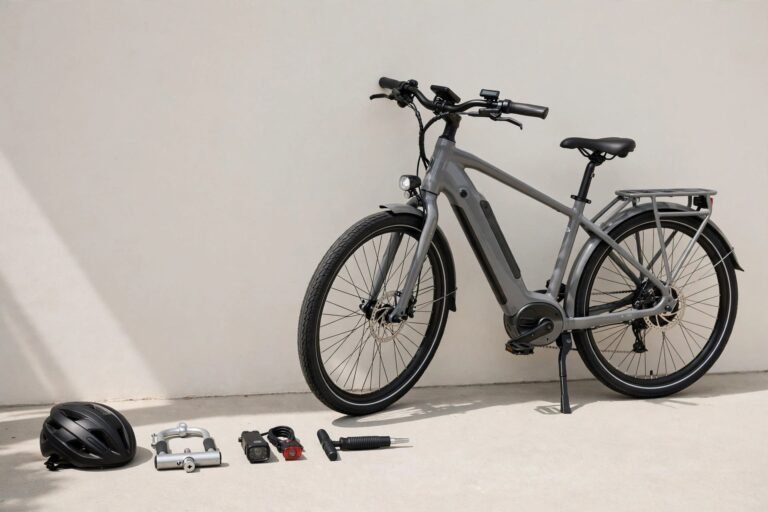
The bike is the cheapest part of owning an e-bike: the lock, lights, helmet and upkeep are the rest. The first-year costs nobody mentions, added up honestly.


The bike is the cheapest part of owning an e-bike: the lock, lights, helmet and upkeep are the rest. The first-year costs nobody mentions, added up honestly.
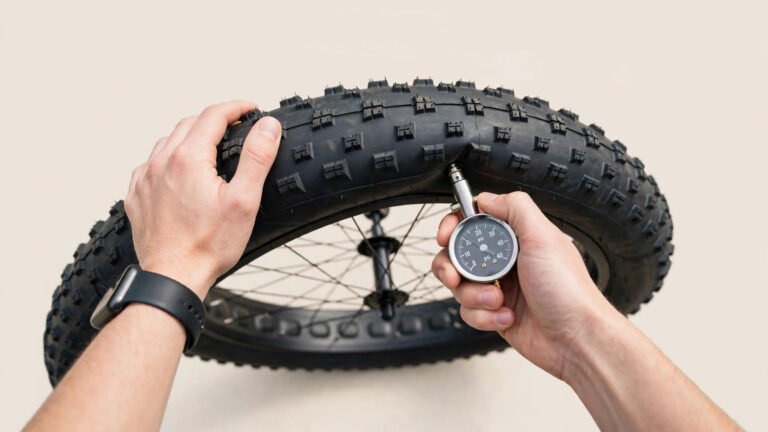
The number on your tire’s sidewall is the answer, but which number, and what happens when you ignore it? The PSI for fat tires, commuters and scooters.

Your battery is the most expensive part of your e-bike. How long it lasts depends less on brand than on how you charge, store and ride it.

A folding e-bike can weigh 70 lb — and that weight is the real test when your flat is three flights up and the building has no lift.
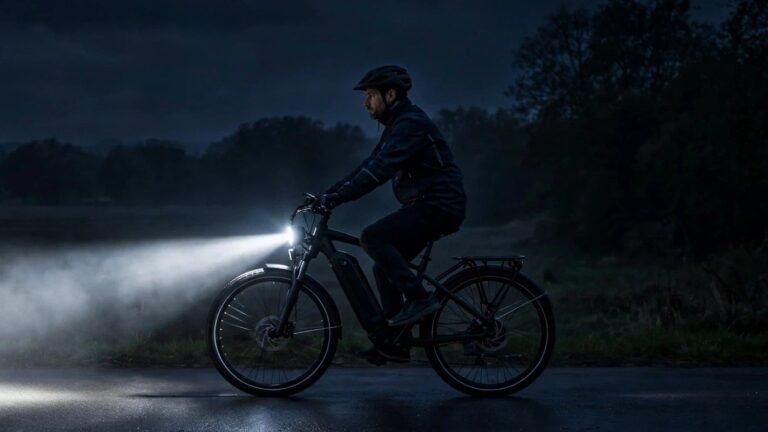
Night riding needs two kinds of light: one that lets drivers see you, and one that lets you see the road. How many lumens each really takes.

A ten-minute check before you ride beats an expensive repair later. What to inspect before every ride, weekly and monthly, chain, brakes, tires and bolts, done right.
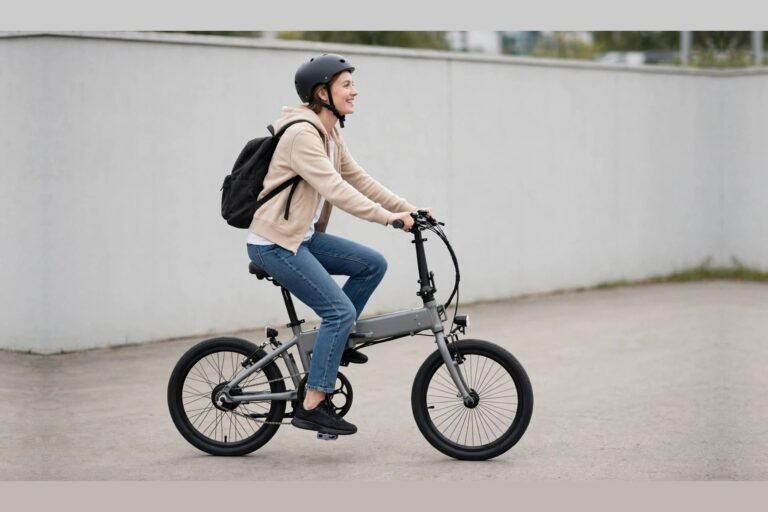
First-time e-bike buyers keep making the same seven mistakes. What experienced riders wish they had known, and how to avoid each one before you spend a cent.

Folding changes everything on transit: which trains take your e-bike, when buses refuse it, and the bag, battery and size rules to check before your first trip.
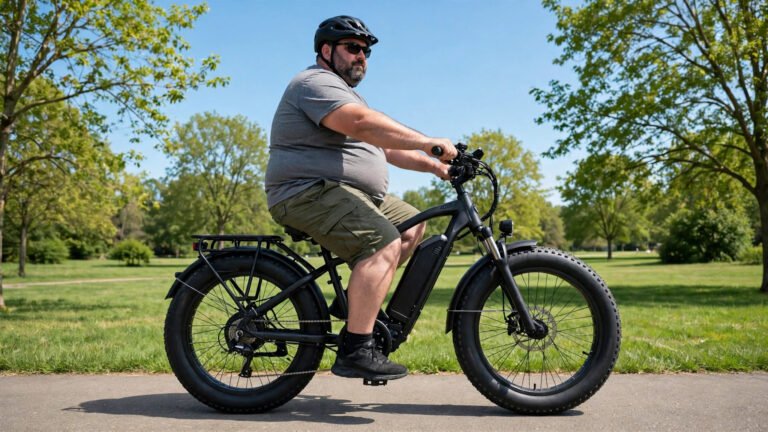
A bike rated for 300 lb is only the start. What max load includes, which brakes stop a heavy rider, and the picks that carry the weight.
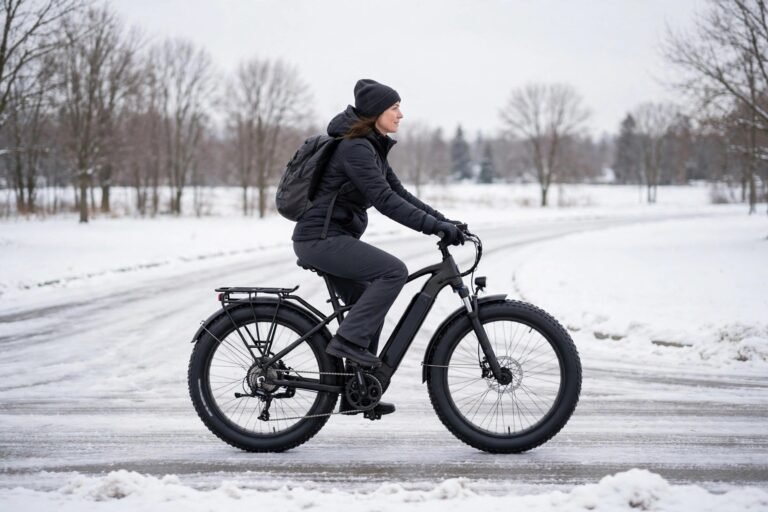
Winter takes a bite out of your e-bike’s range — but most of it comes back with a warm battery and a few small habits. Here’s how.