Can You Ride an E-Bike in the Rain? IP Ratings Explained in Plain English
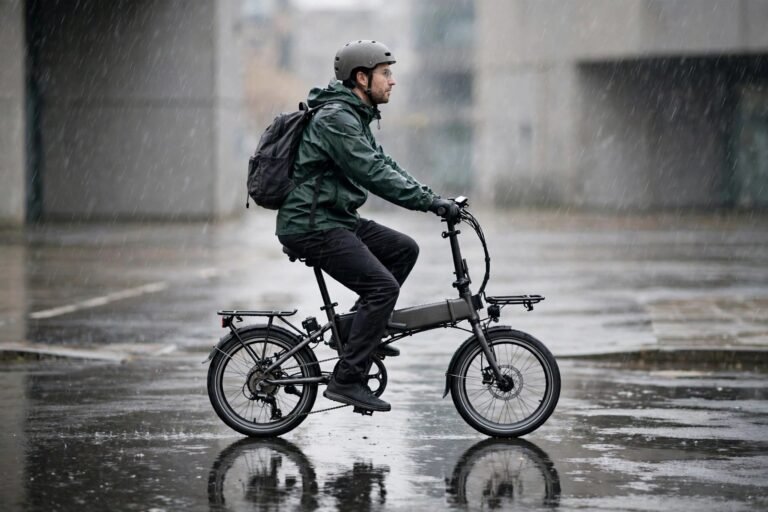
Rain will not stop a commuter, but water in the wrong place will stop a bike. What IP ratings mean, and how to ride wet roads safely.


Rain will not stop a commuter, but water in the wrong place will stop a bike. What IP ratings mean, and how to ride wet roads safely.

Class 1, 2 or 3 decides where you can ride. What each class means, which one fits your riding, and the state rules that catch buyers out.
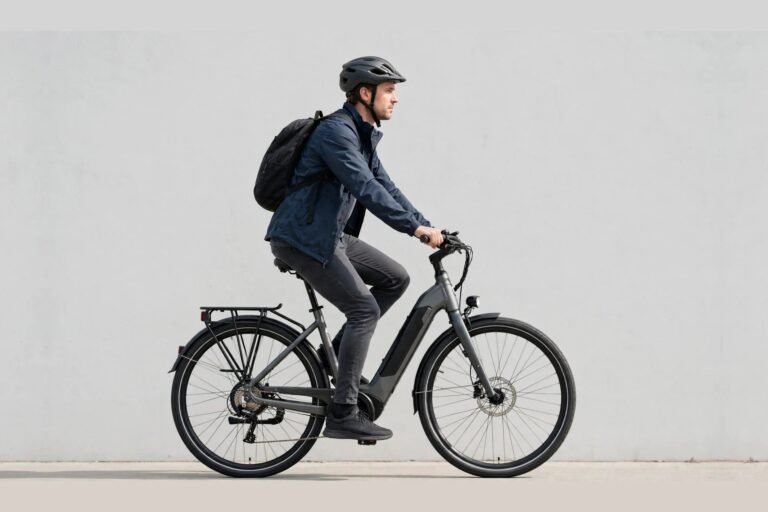
An e-bike is faster than a bicycle, so your helmet works harder. What MIPS and NTA-8776 mean, what the law requires, and exactly how to choose one.
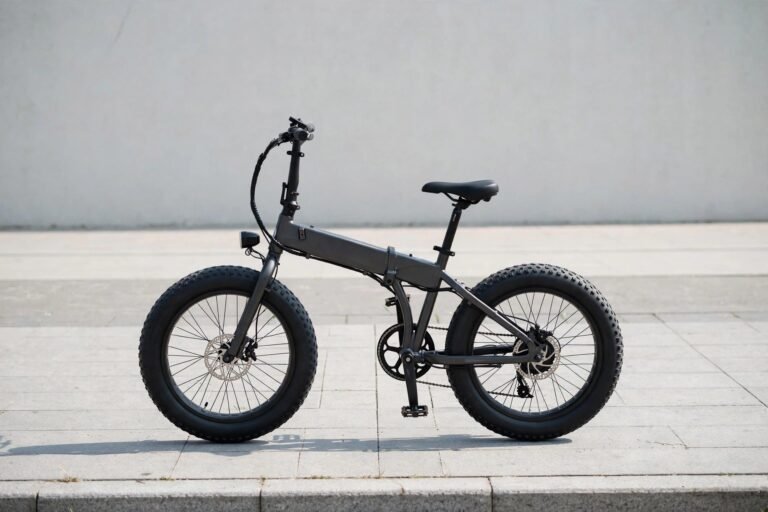
One shortlist for every kind of rider — folding e-bikes for apartments, commuters for the daily ride, scooters for short trips, and the accessories that keep them all going.
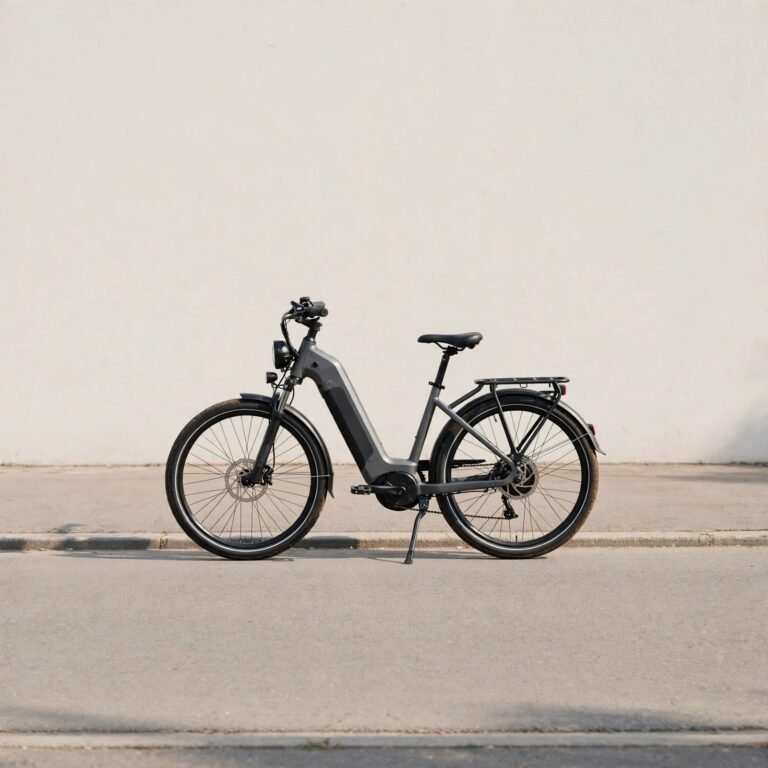
Under $1,000 buys a real commuter e-bike — not a toy. These are the verified picks for daily riding, folding storage, and long range, with honest trade-offs.
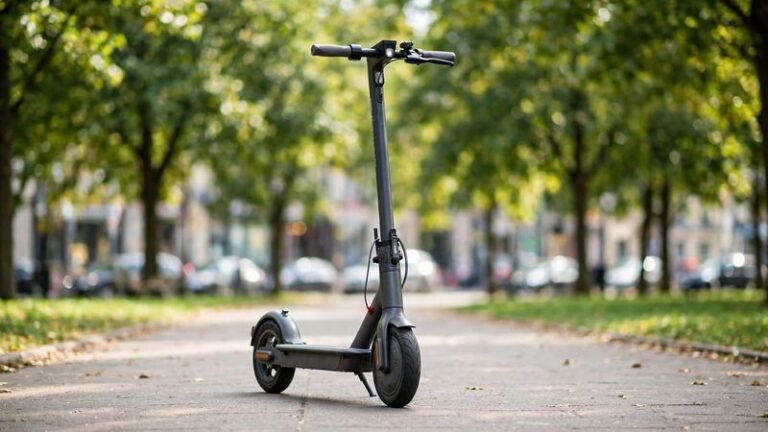
A cheap scooter that breaks in three months is not a bargain. These are the sub-$500 scooters that are actually built for daily commuting — with honest trade-offs.
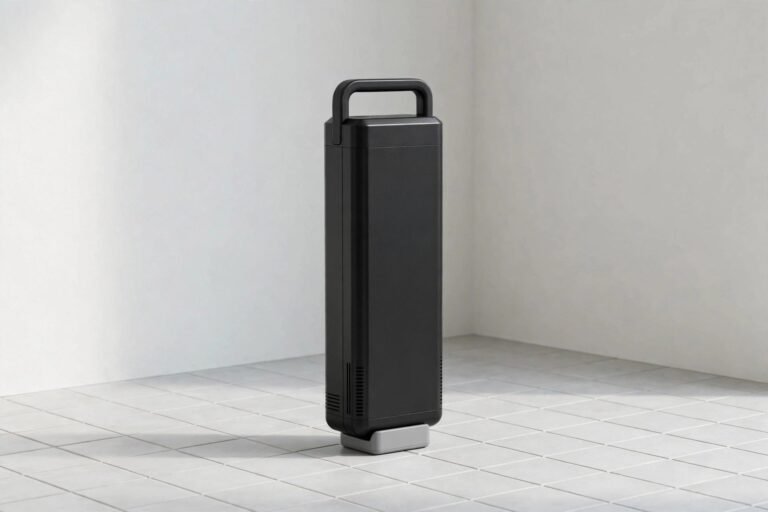
Charging an e-bike battery indoors is usually safe — if you do it the right way. Here’s where to charge, what to avoid, and how to stay safe.
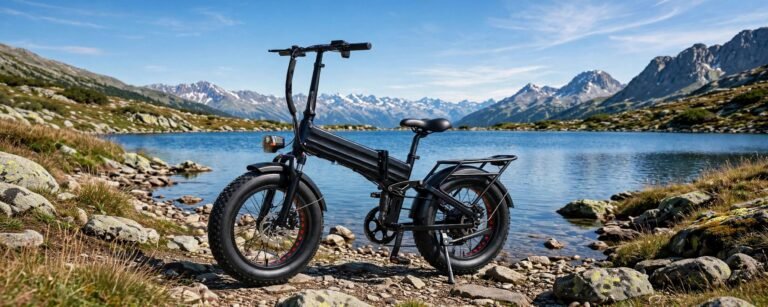
Your e-bike’s claimed range is measured in perfect conditions. Here’s what actually eats into it — and how to work out the range you’ll really get.

A small home does not have to mean leaving your e-bike outside. Eight practical, renter-friendly storage ideas, from cupboards and wall hooks to balconies.
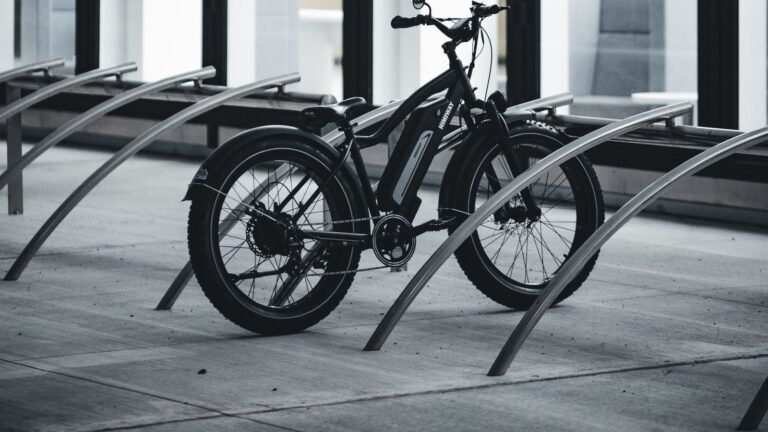
Good protection is not one expensive lock — it is a system. How to choose and use a lock, park safely, and protect your bike with registration and insurance.