How to Ride an Electric Scooter Safely (The Beginner’s Technique Guide)
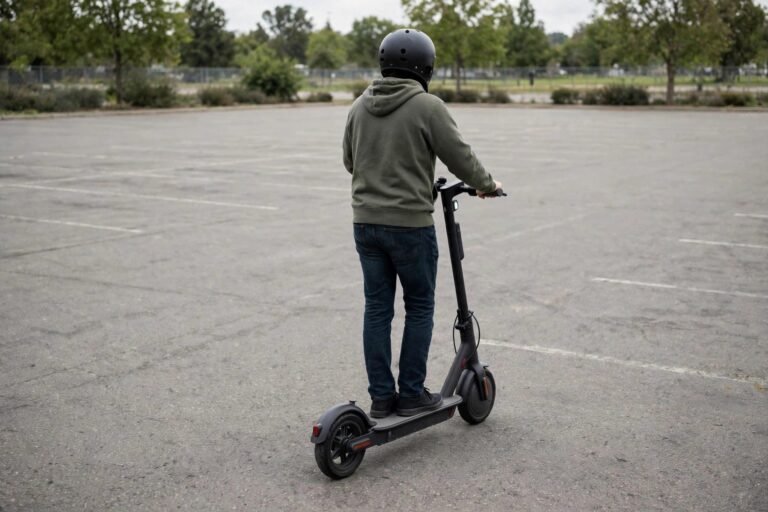
Never ridden a scooter and about to ride it to work? The stance, the throttle, the brakes, and the latch check that keeps you upright.

Never ridden a scooter and about to ride it to work? The stance, the throttle, the brakes, and the latch check that keeps you upright.
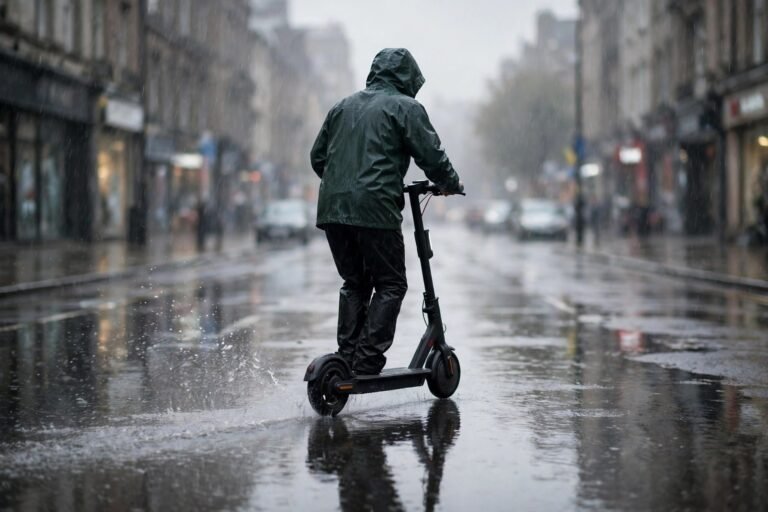
It is raining and you need to get to work. Seven scooters, their real IP ratings, and the one part that gets wet first — the charging port.

A scooter that lives in a flat has to be carried, folded, and charged indoors. Six light scooters under $250, judged on weight, fold, and hallway fit.
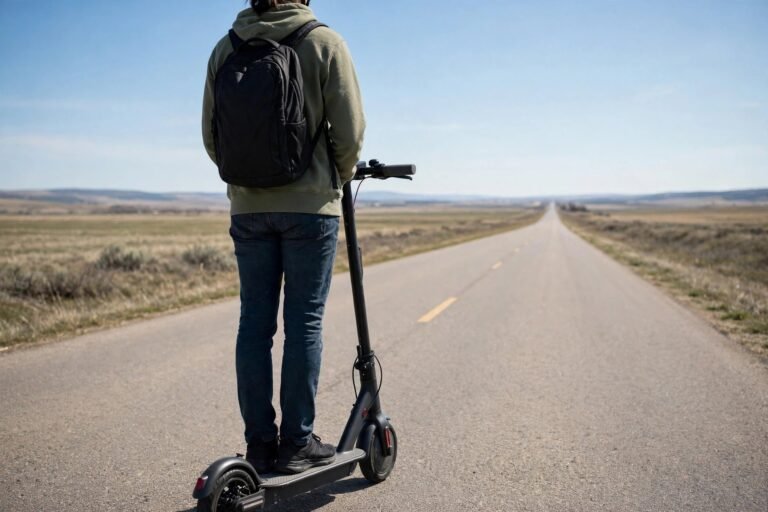
Ten miles each way, but the box claim is not your range. Here is what five scooters really do, and how often each one needs charging.

You bought the scooter. Before the first commute, buy four things in this order: a lock, a light, a helmet, and an inflator. Everything else can wait.

Five hundred dollars buys a real commuter scooter — if you pick for range, tyres, and weight, not top speed. Eight scooters, judged on the daily commute.

Can you ride a scooter legally where you live? Almost everywhere, yes — but the speed you ride at is the law. The state-by-state answer, dated November 2026.

Your scooter is six months old and something rattles. This checklist finds it in order — the weekly five minutes, the monthly fifteen, and the seasonal jobs.

A scooter in winter is a different vehicle: small wheels, no body heat, and a battery that loses a third of its range. Three rules keep you upright.

A soft tire five miles from home is when a portable inflator earns its keep. Four small pumps worth carrying, and the three numbers that pick one.