

Some links in this article are affiliate links. If you buy through them, we may earn a commission at no extra cost to you.
You have done the research. You have fourteen tabs open, a comparison chart, and a shortlist of three bikes. You are about to spend real money on something you have never owned before — and the people who have already made this purchase keep saying the same sentence, in different words: “I love my bike. I just wish I had known…”
That sentence is the whole subject of this article. Lectric’s own guide for new riders is literally titled “What New eBike Riders Wish They Knew Before Buying an eBike”, and MotorizedBicycleHQ’s buying-mistakes guide opens with the same warning: the biggest mistakes are not tiny spec-sheet errors, they are buying the wrong bike for your riding, trusting range claims without context, ignoring battery and brake quality, skipping fit, and forgetting about service after the sale. The mistakes below are the ones experienced riders name most often — and each one has a simple fix you can apply before you buy, not after.
1. Shopping by speed and power instead of your daily ride
This is the first mistake, and the most common. Most first-time buyers focus on speed, power, and advertised range — the three biggest numbers on the listing — and try to make the bike fit their life afterwards. MotorizedBicycleHQ puts it plainly: that is shopping backwards. A short neighbourhood rider, a daily commuter, a heavier cargo rider, and a hill-country weekend rider may all need different bikes, and the biggest motor does not fix a bike that is wrong for the job.
Start with the ride you actually do. How far is it, really — not on your best day, but on a normal Tuesday? How hilly? Where will the bike sleep? Do you need to carry it up stairs, lift it onto a car rack, or fold it into a hallway? A bike that matches those answers and has a modest motor will serve you better than a bike with a huge motor that does not fit your route, your body, or your home.
What to do instead: write down your real ride — distance, hills, surface, storage — before you open a single listing. Then judge every bike against that list. If a bike fails your list and wins on watts, it is the wrong bike.
2. Believing the advertised range number
“Up to 50 miles” is the most misleading sentence in e-bike shopping. That number is a best case: a light rider, flat ground, low assist, mild weather, fresh battery. Your ride is none of those things at once. One first-timer guide gives the honest example: a bike advertised at 50 miles might give you roughly 25 on a hilly commute. Hills, headwinds, cold weather, rider weight, stop-and-go traffic, and heavy throttle use all drain the battery faster — and the battery also ages, so the range you get in year three is not the range you got in month one.

The fix is to shop by the battery, not by the miles. Check the capacity in watt-hours (Wh) — that is the number that actually describes how much energy the battery holds — and buy for your normal ride with margin left over. If your regular ride is 18 miles with hills, buy a bike that can do that ride comfortably on a normal day, not a bike whose best-case number is 18. And check two things most buyers forget: whether the battery is removable (it makes indoor charging and winter storage far easier), and what a replacement battery costs. The battery is one of the most expensive parts of the bike, and a replacement from a reputable brand can run several hundred dollars — Check latest price before you buy.
What to do instead: take the advertised range, cut it roughly in half for real-world riding, and see whether the result still covers your longest regular ride with charge to spare. If it does not, you need a bigger battery — or a different bike.
3. Skipping the test ride
A spec sheet cannot tell you how a bike feels. Lectric’s guide makes this the central lesson: new riders talk about wattage, experienced riders talk about how the bike feels. A cadence sensor and a torque sensor can have the same wattage on paper and feel completely different under you — one gives a fixed level of assistance the moment you pedal, the other responds to how hard you push. A bike that feels jumpy in its lowest assist level will make a new rider tense. A saddle that looks fine in a photo can hurt after ten minutes. None of that shows up in a comparison chart, and Lectric’s guide says it outright: the bike that wins the comparison chart may lose in real life.

What to do instead: ride the bike before you buy it, even if that means a trip to a shop or a brand demo day. Ride it the way you will actually use it — up a hill, from a standing start, at low assist — not just around a car park. If you cannot test the exact model, test the closest one with the same sensor type and frame style. And if a seller will not let you ride it at all, that is information too.
4. Buying the wrong class for where you ride
The class of an e-bike decides where you can legally ride it — and it is the mistake that only shows up after the money is spent, when you take your new bike to your local trail and find out you are not allowed on it. Class 1 is pedal-assist only to 20 mph. Class 2 adds a throttle but still stops at 20 mph. Class 3 is pedal-assist to 28 mph. Class 1 is the most widely allowed on paths and trails; Class 2 is often restricted on natural-surface trails; Class 3 is usually meant for streets and bike lanes, not multi-use paths. We explain all of this in our classes article — read it before you buy, not after.
The trap is buying for speed and discovering your favourite route is closed to you, or buying for trails and discovering your bike’s throttle is the thing that keeps it off them. A ten-minute check of your state and local trail rules before you spend $500 or $1,000 is the cheapest insurance in this whole article.
What to do instead: decide where you will actually ride — streets, paved paths, dirt trails — and buy the class that is welcome there. If you are not sure, Class 1 is the safe default: it goes almost everywhere a bicycle goes.
You may also like: If you are still choosing the bike itself, our starter picks are the Lectric XP Lite 2.0 — the starter pick in our range — the Heybike Mars 3.0, and the Segway Ninebot MAX G2. A folder with a removable battery is worth a close look if you live in a flat: the battery comes upstairs and the bike stays put.
5. Forgetting fit, weight — and where the bike will live
Fit is about more than height. Two riders of the same height can need different frames, and a bike that is slightly too big or slightly too small will sit unridden in a way no spec sheet predicts. Lectric’s guide lists fit as one of the lessons riders learn the expensive way, and MotorizedBicycleHQ’s guide puts skipping the fit check among the mistakes that show up after the first week.
Weight is the part nobody thinks about until the first staircase. A regular bicycle usually weighs 25 to 35 pounds; an e-bike is often 50 to 75 pounds, per one first-timer guide — the battery and the reinforced frame see to that. That weight matters every time the motor is off: carrying the bike upstairs, lifting it onto a rack, wheeling it through a narrow hallway. A folding e-bike solves the storage problem but not the weight problem — a folder that technically folds but is miserable to move may not solve the problem you bought it for.
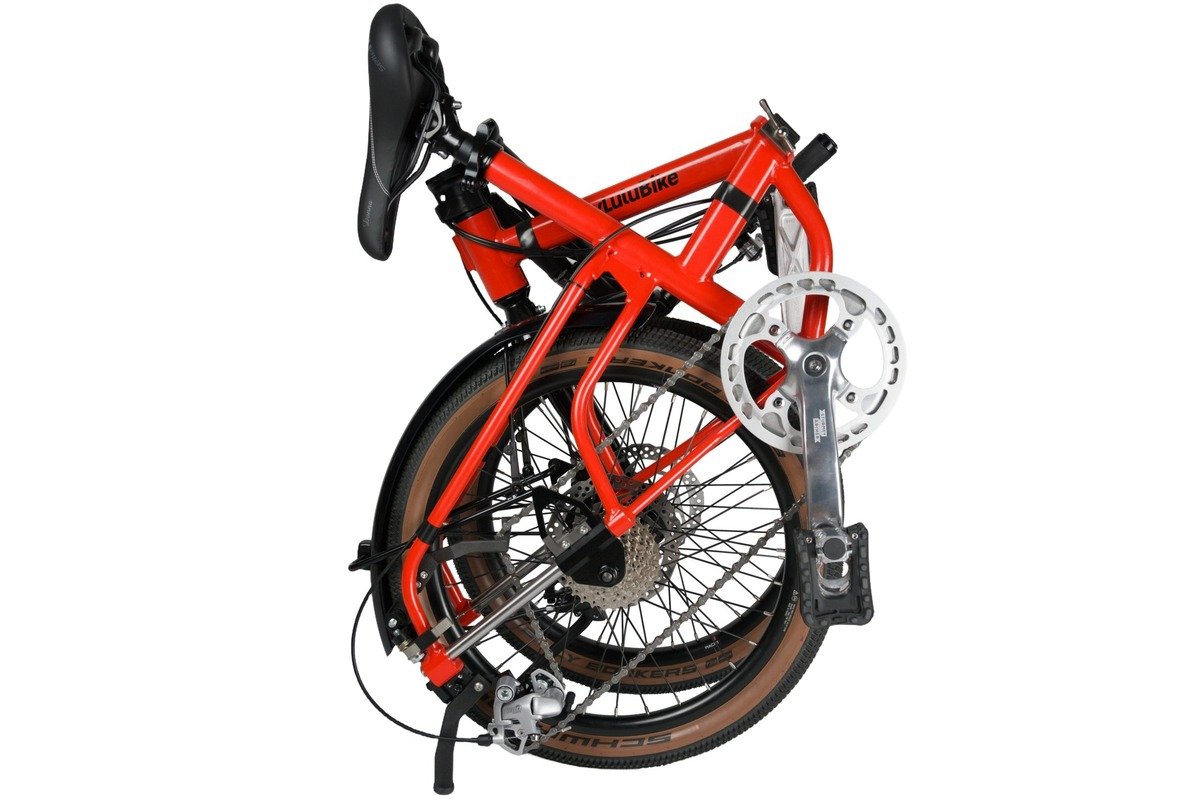
What to do instead: before you buy, lift the bike, roll it, fold it if it folds, and park it where it will actually live. Measure the folded size against your storage space. If you live in a flat, check whether the battery comes out — charging a removable battery indoors is far easier than carrying a 60-pound bike upstairs every night.
6. Forgetting the real cost: accessories and upkeep
The price on the listing is not the price of riding. A helmet, a lock, and lights are day-one purchases, not optional extras — and a good lock alone can cost a meaningful share of a budget bike’s price. If the bike ships without fenders, a rack, or lights, add those to the total before you compare prices. MotorizedBicycleHQ’s folding-bike guide makes the point directly: buying the cheapest folder without pricing the missing commuter gear means the real cost may be higher than it looks.
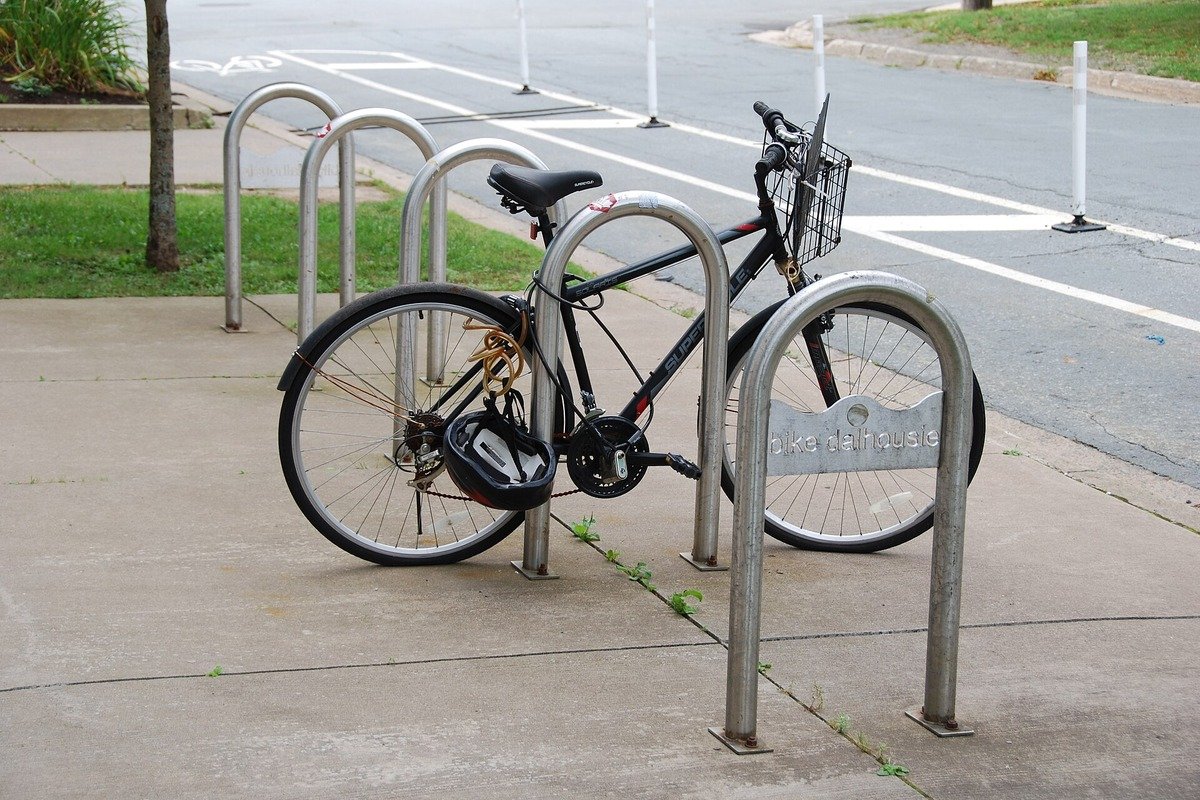
And the costs do not stop at the checkout. An e-bike still needs bicycle maintenance: tyres, brakes, chains, and eventually a battery. Lectric’s guide lists maintenance as one of the lessons new riders learn late — an e-bike is still a bicycle, and the parts that wear out on a bicycle wear out on an e-bike too, faster when the bike is heavier and ridden further. Budget a small amount each year for upkeep, and find out before you buy whether a local shop will work on the brand you are considering.
What to do instead: add up the real total — bike, helmet, lock, lights, and anything the bike does not include — and compare totals, not listing prices. A slightly more expensive bike that arrives complete can be cheaper than a bargain bike that needs gear on day one — Check latest price.
7. Ignoring warranty, parts and service after the sale
The cheapest e-bike is not always the least expensive — that is the first lesson in Lectric’s guide, and it is about what happens after the sale, not before it. A lesser-known brand may promise huge power and remarkable range at a suspiciously low price, and the harder questions only appear later: who answers the phone when something breaks, where do replacement parts come from, and will a local shop touch it?
A good deal is not just a low purchase price. It is a bike you can keep riding. Before you buy, check the warranty in plain language — how long it lasts, what it covers, and whether the battery is covered separately from the frame and motor. Check whether replacement parts are actually available: batteries, chargers, brake pads, displays, controllers. And check whether there is a service network or a local shop that will work on the brand. Cheap parts are not cheap if nobody can repair them, and a bike with no parts support becomes a very expensive ornament the first time something fails.
What to do instead: read the warranty before you buy, not after something breaks. Confirm parts availability and local shop support for the brand. If the seller cannot tell you where parts come from, that is your answer.
Best product for first-time buyers
Lectric XP Lite 2.0 — the starter pick in our range, and the bike this article’s advice points to: a folder with a removable battery, so the battery comes upstairs and the bike stays put, in the size and simplicity a first-time buyer actually needs. Check latest price on Amazon
What we will not pretend otherwise: we have not tested this bike ourselves, and we are not stating a price here — check the live listing before you buy, because the price moves. What we can say is that it is the starter pick in our verified range, with a working affiliate link, and that the advice in this article — buy for your real ride, test it first, check the battery and the warranty — applies to it exactly as it applies to every other first e-bike.
Frequently asked questions
What is the biggest mistake first-time e-bike buyers make?
Shopping backwards: starting with motor watts, battery size, or a sale price, and trying to make the bike fit their life afterwards. The fix is to start with your real ride — distance, hills, surface, storage — and judge every bike against that list first.
Should I buy for top speed or for my daily use?
For your daily use. Top speed matters far less than most buyers think: faster is not always better, and the class that gives you more speed can also take away the paths you wanted to ride. Buy the bike that fits the ride you actually do, every day.
How much do accessories really add to the cost?
More than most buyers budget for. A helmet, a lock, and lights are day-one purchases, and a good lock alone is a meaningful cost. If the bike ships without fenders, a rack, or lights, add those to the total before you compare prices — a slightly more expensive bike that arrives complete can be cheaper than a bargain bike that needs gear on day one.
Does the cheapest e-bike end up costing more?
Often, yes. The cheapest e-bike is not always the least expensive: a low purchase price can hide a battery that is expensive or hard to replace, no parts support, and no one to call when something breaks. A good deal is a bike you can keep riding, not just a bike you could afford to buy.
How do I know if an e-bike will fit me and my storage?
Ride it before you buy, lift it, fold it if it folds, and park it where it will actually live. Fit is about more than height, and weight matters every time the motor is off — carrying the bike upstairs or lifting it onto a rack. Measure the folded size against your storage space, and check whether the battery is removable for indoor charging.
What should I check about warranty and parts support?
How long the warranty lasts, what it covers, and whether the battery is covered separately from the frame and motor. Then confirm that replacement parts are actually available — batteries, chargers, brake pads, displays — and that a local shop will work on the brand. If the seller cannot tell you where parts come from, that is your answer.
Browse by category: Folding E-Bikes · Commuter E-Bikes · Electric Scooters · E-Bike Accessories
As an Amazon Associate, BoltWander earns from qualifying purchases.
Keep reading
Related articles:
- E-Bike Classes Explained: Class 1 vs 2 vs 3, and Where You Can Legally Ride Each One — the class decision, before the purchase decision
- Do You Need a Helmet for an E-Bike? What MIPS and NTA-8776 Actually Mean — the helmet that belongs on your day-one list
- Best Commuter E-Bikes Under $1,500 — commuters by what a daily ride actually needs
Previous: Can You Take a Folding E-Bike on a Train or Bus? The Rules That Actually Apply
Next: E-Bike Maintenance Checklist for Beginners: Before Every Ride, Weekly, Monthly
Photo credits: the four photographs in this article are from Wikimedia Commons — “Woman riding bike through Zaanse Schans” (the test-ride photo), the battery photo by J. Hammerschmidt, CC BY-SA 3.0, via Wikimedia Commons, “Lulu Bike City fully folded” (the folded e-bike photo) and “Bicycle rack, Dalhousie University – Halifax, NS – (2018-08-26)” (the locked bike and helmet photo). Each was cropped or padded to a consistent 1200×800 size; no other changes were made.