

Some links in this article are affiliate links. If you buy through them, we may earn a commission at no extra cost to you.
Your bike weighs 70 lb. You live on the third floor. There is no lift, and the hallway rules say nothing with a battery in it stays in the stairwell overnight. So every evening you face the same choice: carry the whole bike upstairs, leave it outside and hope, or do not ride at all.
A removable battery ends that choice. The battery comes off the bike, goes upstairs in your hand, and charges on your kitchen table while the bike stays where it is — locked downstairs, in the bike room, or folded in a corner. This article explains what a removable battery is, why it matters more in an apartment than anywhere else, whether it is safe, and which bikes have the biggest ones.
The short answer: the battery comes off, the bike stays put
A removable battery is a battery pack that slides or lifts out of the bike’s frame — usually with a key — so you can take it indoors to charge while the bike stays where it is parked. The bike and the battery are two separate things: the bike is the heavy part that stays downstairs, and the battery is the part that needs the charger.
That sounds like a small convenience. In an apartment, it is the difference between riding every day and not riding at all — because the alternative is carrying a 70 lb bike up the stairs every night, or leaving it outside, or running an extension lead down a hallway that your building does not allow. As Chain & Charge puts it: “A non-removable battery means the whole bike has to go wherever the charger is. On a 70-pound fat-tire e-bike that is a conversation about elevators, stairwells, hallway rules and a landlord.”
Why it matters most in an apartment
Three apartment problems, one answer:
- Charging. A battery charges from a wall socket, and wall sockets live indoors. With a removable battery, the socket is your own — in your flat, on your table, where you can see it. Without one, the socket has to be wherever the bike is, which in an apartment usually means nowhere at all.
- Stairs. A 70 lb folding e-bike is carryable exactly once, and then you learn. The battery is the heaviest single part of the bike — taking it off before you carry the bike upstairs makes a real difference to the weight in your hands, and taking it off is the difference between a bike you ride daily and a bike that lives in the hallway because you dread moving it.
- Rules. Many buildings ban e-bikes from hallways and stairwells, and some ban charging in shared spaces outright — because a battery fire in a hallway can block everyone’s escape route. A removable battery lets you follow the rule and still ride: the bike stays in the bike room or outside, and only the battery comes upstairs, to charge where you can watch it.
A removable pack, off the bike: this is the part that goes upstairs.

Can I charge a removable battery indoors?
Yes — with the same care as any lithium battery, and the same rules as our charging-safety article:
- Use the charger that came with the bike. Only the manufacturer’s charger, only the manufacturer’s battery. The CPSC has warned against universal chargers after 156 fire and overheating reports (per Bridgehill, citing the CPSC).
- Charge on a hard surface, away from exits. A table or a tiled floor, not a bed, a sofa or a pile of laundry — and never in a hallway, a stairwell or in front of a door.
- Charge while you are awake and at home. Do not charge overnight or unattended, and unplug when it is full.
- Never charge a frozen battery. If the battery has been outside in freezing weather, bring it indoors and let it warm to room temperature first — charging below freezing damages the cells. This is one of the quiet advantages of a removable battery: it warms up indoors on its own, because it lives indoors.
The battery being removable does not change any of these rules. It makes following them easier — because the battery is already in your flat, on a table, where you can see it.
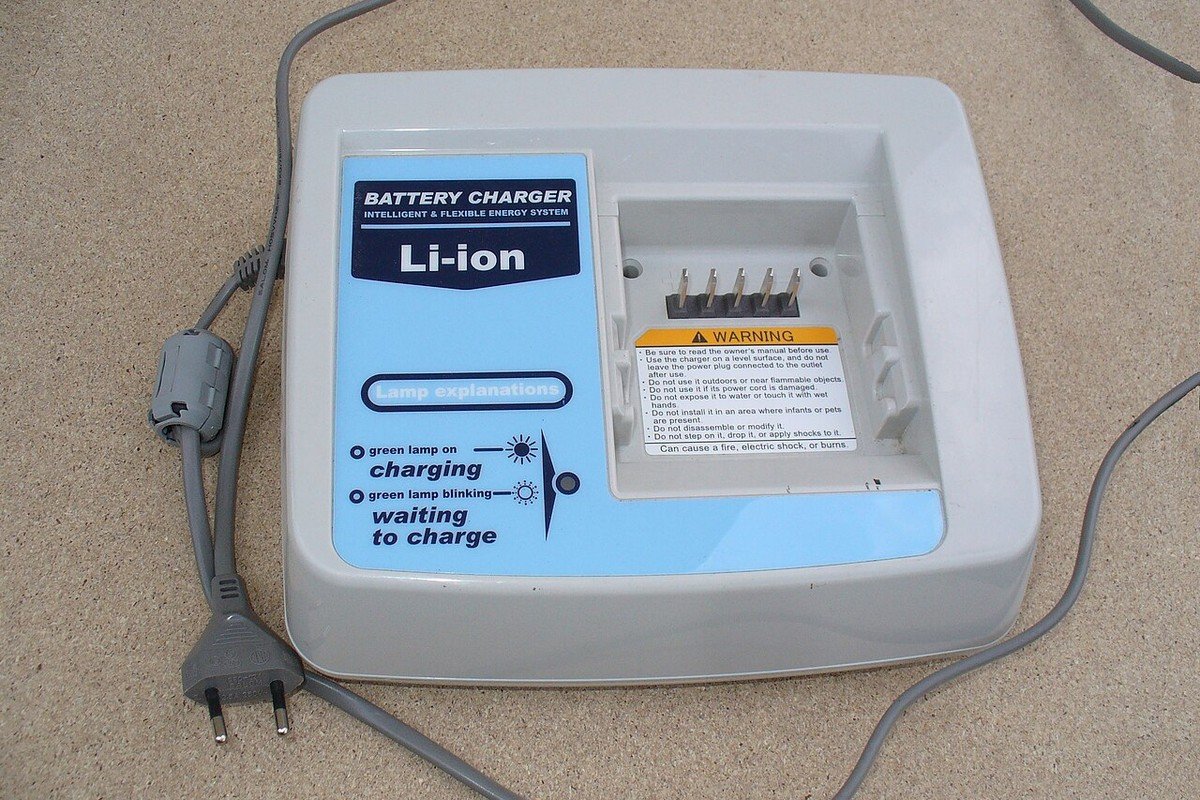
The charger stays indoors with the battery — the bike never has to come inside.
Is a removable battery less safe than a built-in one?
No — and this is worth saying plainly, because it is the worry that stops people buying the feature they need most. A removable battery and a built-in battery use the same cells, the same chemistry and the same charger rules. The risk in a lithium battery is not where it sits — it is the condition of the cells, the quality of the charger, and whether the battery has been damaged, dropped or charged with the wrong charger.
If anything, a removable battery is easier to keep safe, for two reasons. First, it charges indoors at room temperature, which is what the cells want — a built-in battery charges wherever the bike is, which in winter may be a freezing garage. Second, you can see it: a battery that lives on your table is a battery whose swelling, smell or heat you will notice. A battery buried inside a frame in a cold garage is a battery nobody is watching.
What matters is not removable or built-in. It is the maker’s battery, the maker’s charger, and the rules above. Buy the bike whose battery you can look after, not the one whose battery you cannot reach.
You may also like: The folders with removable batteries in our range are the Heybike Mars 2.0 and the Lectric XP Lite 2.0. Both take their battery upstairs and leave the bike behind — which is the whole point of this article.
How heavy is a removable battery to carry?
Heavy enough to notice, light enough to carry in one hand. A removable pack is the heaviest single part of the bike — which is exactly why taking it off makes the bike so much easier to carry upstairs — but on its own it is a hand-sized pack with a handle, the kind of weight you carry like a small bag of groceries.
We will not give you a number here, because the number depends on the battery: a bigger pack weighs more than a smaller one, and the figure that matters is the one for the bike you are buying. Check the pack weight on the live listing before you buy — and then pick it up in the shop, if you can, and carry it up a flight of stairs. That thirty-second test tells you more than any number on a page.
Which e-bikes have the biggest removable batteries?
Battery size is measured in watt-hours (Wh), and for apartment riders it is the number that decides how far the bike goes between charges — because the battery is the part you carry upstairs, and you do not want to carry it upstairs twice a day.
The biggest removable pack in our range is the Heybike Mars 3.0, at 624 Wh (per Chain & Charge, citing Heybike) — the largest removable battery we cover. If your commute is long enough that range is the deciding number instead of weight, that is the pack to look at. The Mars 2.0 and the Lectric XP Lite 2.0 also have removable packs, smaller and lighter — the trade is range against carrying weight, and which side of that trade you want depends on how far you ride and how many stairs you climb.
Folded small in a corner: the bike stays downstairs while the battery charges upstairs.

Best product for apartment charging
Heybike Mars 3.0 — the biggest removable pack in our range at 624 Wh (per Chain & Charge, citing Heybike), in a folding frame that fits a closet or a corner. It is the bike in this article because it is the one that answers the apartment problem completely: the battery comes upstairs, the bike folds away, and the range is there for a long commute. 750W nominal motor (1400W peak), 20″ × 4.0″ fat tires, full suspension. Check latest price on Amazon
What we will not pretend otherwise: we have not verified the Mars 3.0 pack’s weight on the live listing, and we have not confirmed any UL certification for this bike — so we claim neither. What we can say is that the pack is removable, the battery is 624 Wh per the sources cited, and the bike folds. If the pack’s weight matters to you — and if you have stairs, it should — check it on the live listing before you buy.
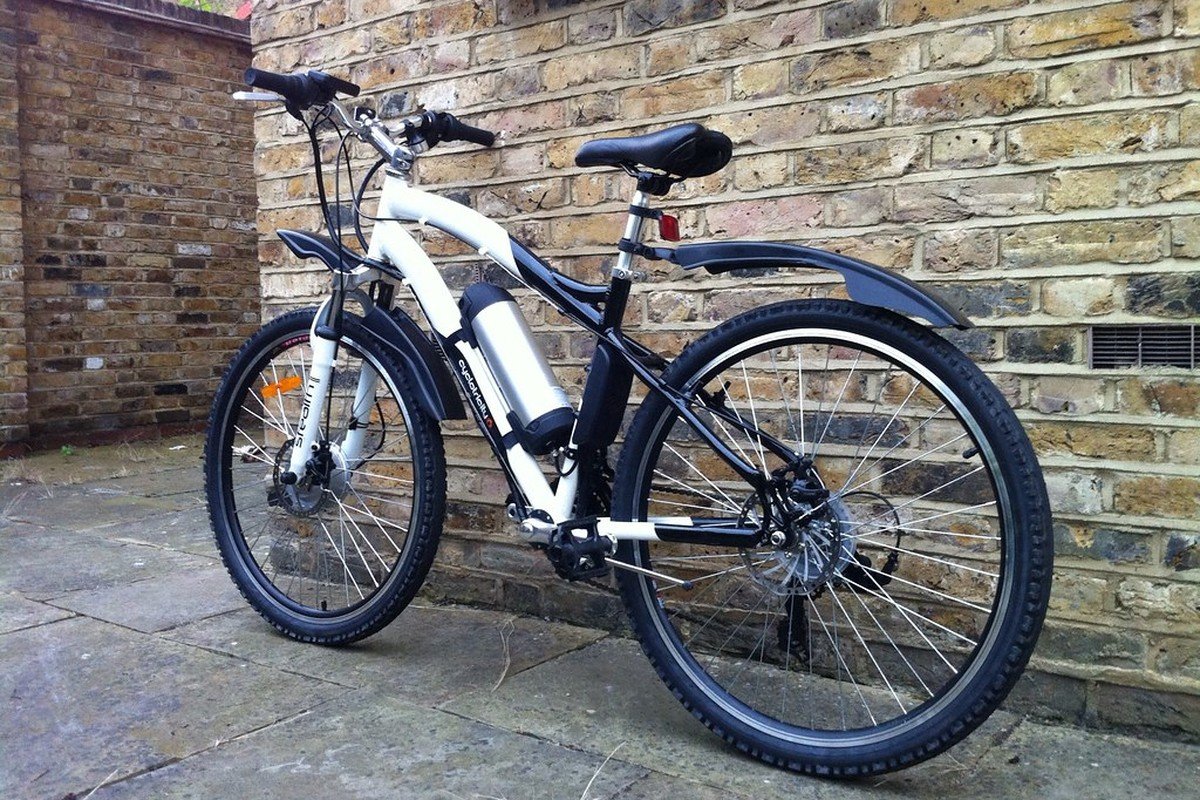
The battery slides onto its mount on the frame — and slides off the same way.
Frequently asked questions
What is a removable e-bike battery?
A battery pack that slides or lifts out of the bike’s frame — usually with a key — so you can take it indoors to charge while the bike stays where it is parked. The bike and the battery are two separate things: the bike is the heavy part, and the battery is the part that needs the charger.
Why does a removable battery matter in an apartment?
Because the alternative is carrying a 70 lb bike upstairs every night, leaving it outside, or running a charger down a hallway your building does not allow. With a removable battery, the battery comes upstairs in your hand and the bike stays put — in the bike room, outside, or folded in a corner.
Can I charge a removable battery indoors?
Yes, with the same care as any lithium battery: use only the manufacturer’s charger, charge on a hard surface away from exits, charge while you are awake and at home, and never charge overnight or unattended. Never charge a frozen battery — let it warm to room temperature first.
Is a removable battery less safe than a built-in one?
No. Both use the same cells and the same charger rules — the risk is in the condition of the cells, the charger, and whether the battery has been damaged, not in where it sits. A removable battery is arguably easier to keep safe, because it charges indoors at room temperature where you can see it.
How heavy is a removable e-bike battery to carry?
Heavy enough to notice, light enough to carry in one hand — it is the heaviest single part of the bike, which is why removing it makes the bike so much easier to carry. The exact weight depends on the battery, so check the pack weight on the live listing and, if you can, pick it up in the shop first.
Which e-bikes have the biggest removable batteries?
The biggest removable pack in our range is the Heybike Mars 3.0 at 624 Wh (per Chain & Charge, citing Heybike). The Mars 2.0 and Lectric XP Lite 2.0 also have removable packs, smaller and lighter — the trade is range against carrying weight.
Browse by category: Folding E-Bikes · Commuter E-Bikes · Electric Scooters · E-Bike Accessories
As an Amazon Associate, BoltWander earns from qualifying purchases.
Keep reading
Related articles:
- Can You Charge an E-Bike Battery Inside Your Apartment? The Honest Safety Answer — the charging rules this article’s battery follows
- Folding E-Bike for Apartment Living — Best Options — the folding bikes that make apartment living work
- How Long Does an E-Bike Battery Last? (and How to Make Yours Last Longer) — how to keep the pack you carry upstairs alive for years
Previous: What Does an E-Bike Really Cost to Own? The First-Year Costs Nobody Mentions
Next: Coming soon — Article #17 (link to be added when it is published)
Image credits: Removable battery pack — J. Hammerschmidt, CC BY-SA 3.0, via Wikimedia Commons. Battery charger — J. Hammerschmidt, CC BY-SA 3.0, via Wikimedia Commons. Folding bicycle — Kwiggle, CC BY-SA 4.0, via Wikimedia Commons. Battery mounted on frame — TJStamp, CC BY 2.0, via Flickr.