What Does an E-Bike Really Cost to Own? The First-Year Costs Nobody Mentions
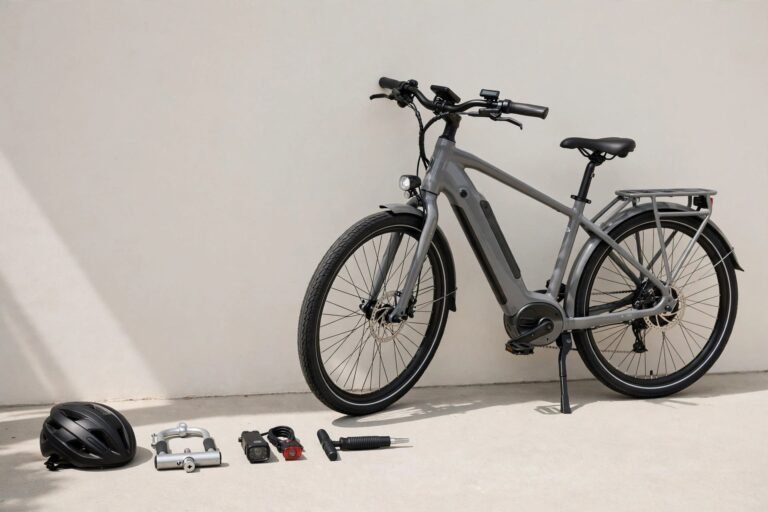
The bike is the cheapest part of owning an e-bike: the lock, lights, helmet and upkeep are the rest. The first-year costs nobody mentions, added up honestly.

The bike is the cheapest part of owning an e-bike: the lock, lights, helmet and upkeep are the rest. The first-year costs nobody mentions, added up honestly.
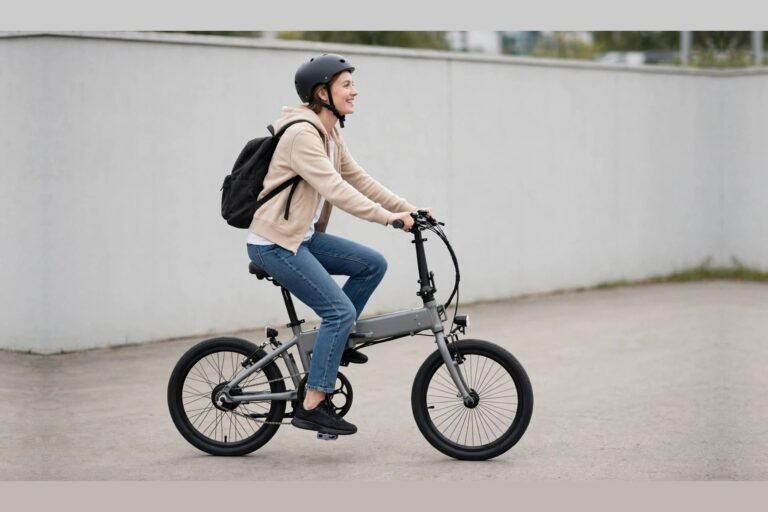
First-time e-bike buyers keep making the same seven mistakes. What experienced riders wish they had known, and how to avoid each one before you spend a cent.
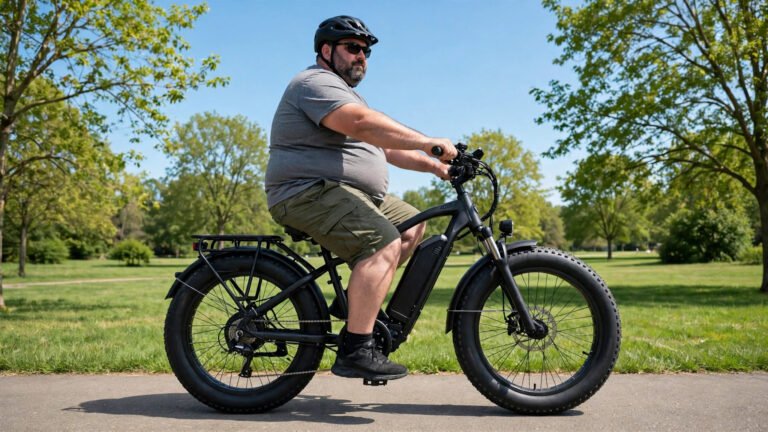
A bike rated for 300 lb is only the start. What max load includes, which brakes stop a heavy rider, and the picks that carry the weight.

Class 1, 2 or 3 decides where you can ride. What each class means, which one fits your riding, and the state rules that catch buyers out.
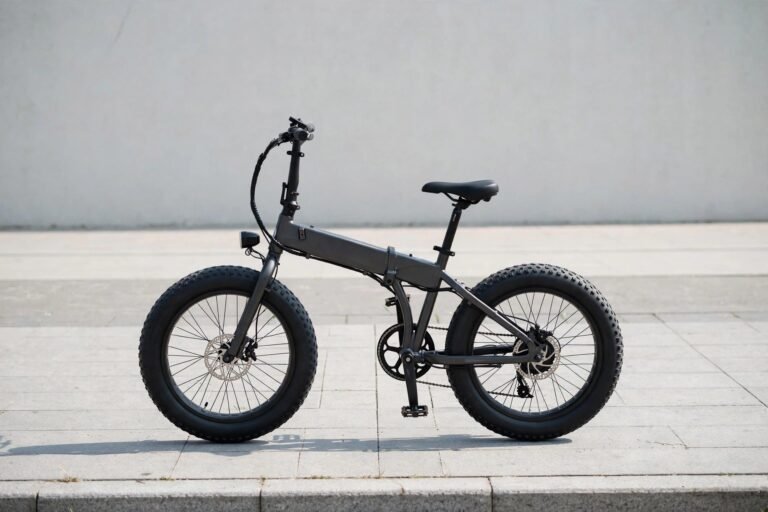
One shortlist for every kind of rider — folding e-bikes for apartments, commuters for the daily ride, scooters for short trips, and the accessories that keep them all going.
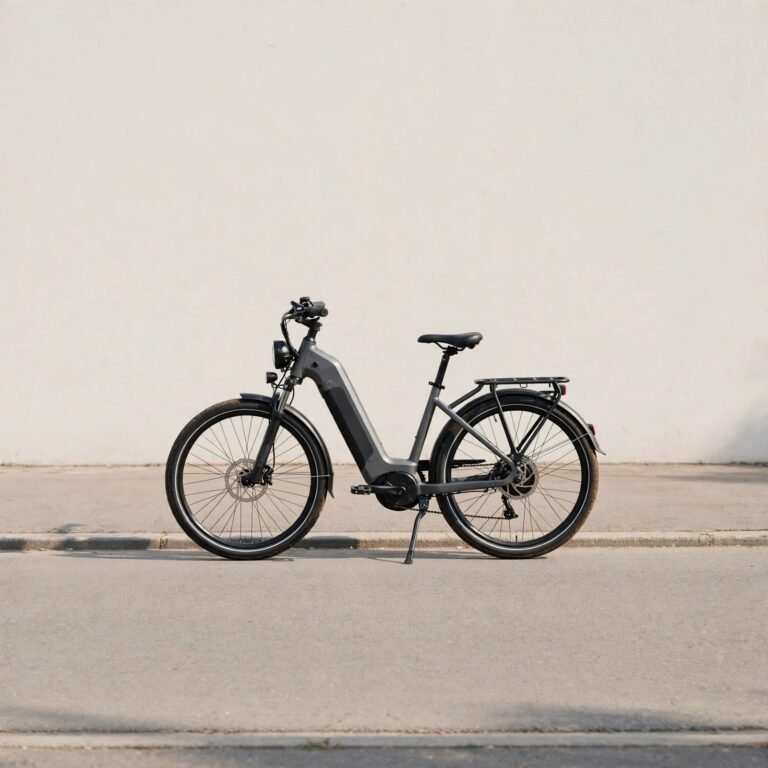
Under $1,000 buys a real commuter e-bike — not a toy. These are the verified picks for daily riding, folding storage, and long range, with honest trade-offs.
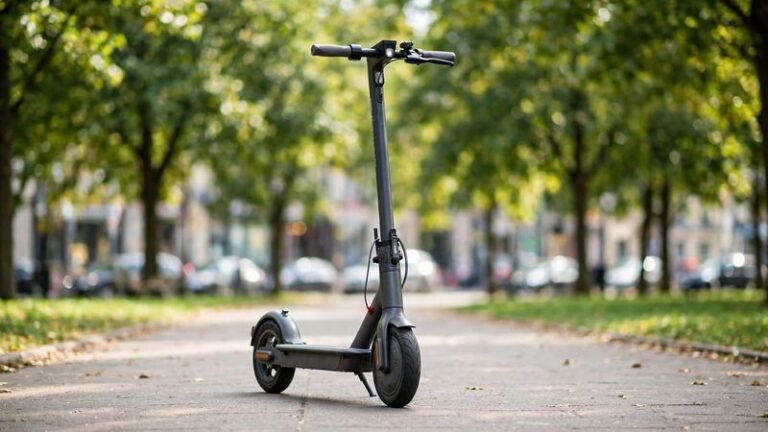
A cheap scooter that breaks in three months is not a bargain. These are the sub-$500 scooters that are actually built for daily commuting — with honest trade-offs.
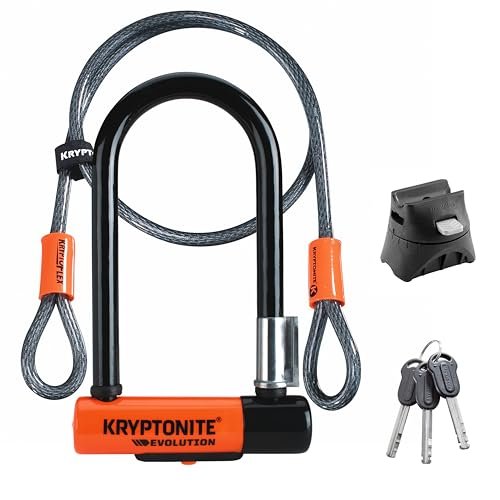
The bike is only the start. The right accessories turn a folding or commuter e-bike into a reliable daily transport system — dry, visible and secure.

Buying your first folding e-bike can feel overwhelming. This plain-language guide explains watts, watt-hours and wheel sizes, with a checklist before you buy.